

Managing soil moisture over the next two months will be key to success with leatherjacket strategies this autumn, to help achieve optimum control of damaging larvae populations.
Speaking on Integrated Leatherjacket Control Programmes at the GroundsFest 2025 Education Programme in Warwickshire last week, Syngenta Technical Manager Sean Loakes highlighted extreme dry soils after the summer drought could compromise results, particularly with beneficial nematode treatments.
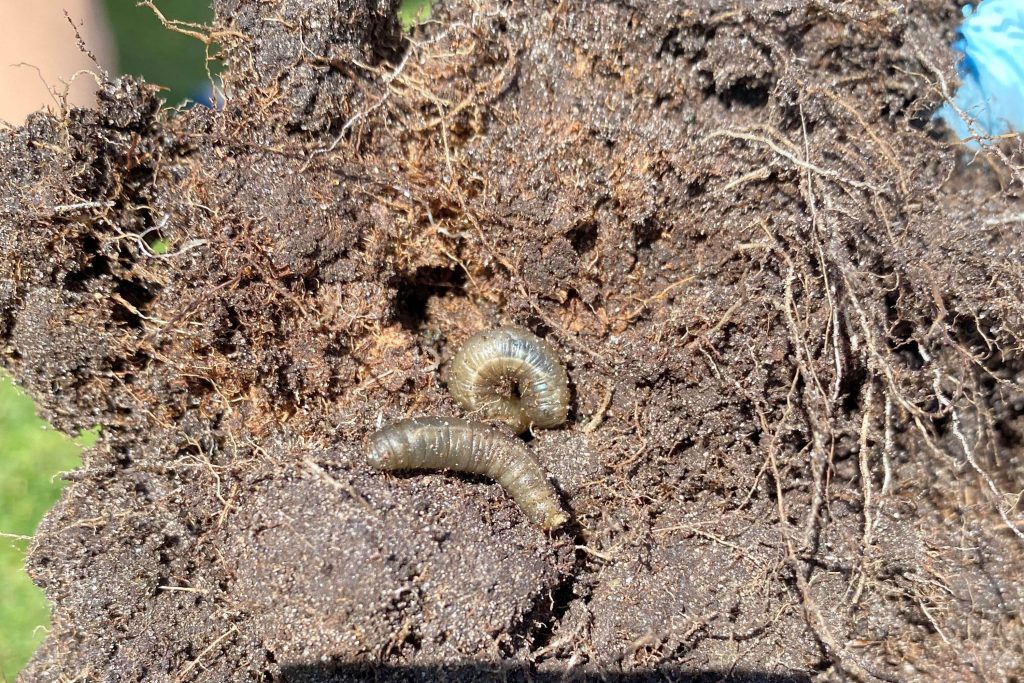
“Leatherjacket larvae are most active in moist soils, where they can be most effectively targeted for control,” Sean told attendees at the seminar. “But if conditions remain too dry, they will move down the soil profile and only return to the surface to feed. That could limit the amount of time they come into contact with an Acelepryn insecticide treatment and applied NemaTrident F beneficial nematodes, with a potential effect on control.”
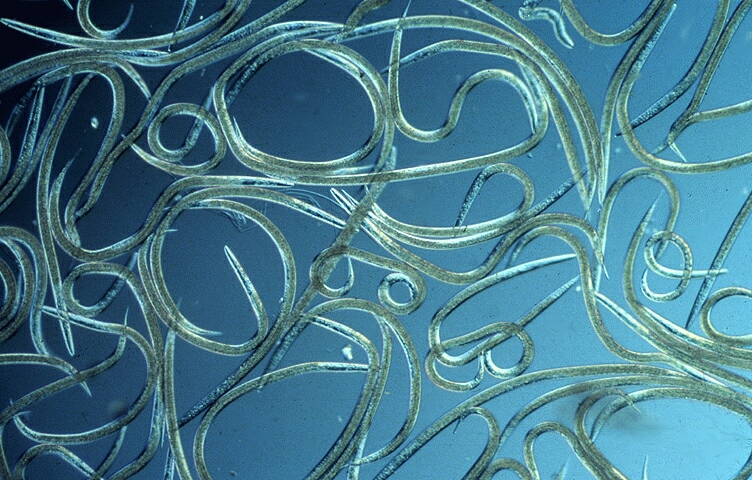
The predatory nematodes require a film of moisture around soil particles in which to move and seek out leatherjacket larvae to infest. Also, if soil conditions are too dry the nematodes can quickly desiccate and die.
Sean is urging turf managers to monitor soil moisture in the treatment areas in the weeks leading up leatherjacket treatments. “That will give time to make any remedial actions where possible to correct deficits and correct areas of dry patch before treatment,” he advocates.
Research compiling years of data recorded by Syngenta Pest Tracker monitoring of adult crane fly activity – signifying egg laying that will result in leatherjacket larvae – consistently indicates the optimum timing for Acelepryn application on or around the 20th October each year, followed by a NemaTrident F nematode application within the next seven days.
Ideally, soil moisture should be around 20% for Acelepryn application and 30% at the time of a nematode application – then held at 25%+ for a week to 10 days, if possible, to maximise activity. The aim is to have the maximum number of leatherjackets active in the upper soil zone when the concentration of Acelepryn is at its greatest and nematode numbers at their highest.
“Using Qualibra wetting agent programmes now will provide a valuable aid in maintaining more consistent moisture in the target root zone and help to relieve the effects of dry patch,” he advises. Importantly, while retaining the consistent moisture where required, the dual-action Qualibra technology avoids the excess build-up of wetness in soils at a time when greenkeepers are looking to instigate autumn dry down strategies to manage playability.
Best use practice guidelines for leatherjacket programmes advocate mowing prior to application, to limit spray retention on the leaf. Spray water volume should ideally be at 1000 l/ha, applied through 08 XC Soil Nozzles, with coarse water droplets helping to move as much product as possible to the soil surface. The larger orifice 08 nozzles are essential to minimise risk of damage to nematodes during application.
Application with a forecast of light rain or heavy dew to wet the leaf surface is also preferable, or to irrigate as soon as possible after treatment to move product or nematodes to the soil surface.
Syngenta research by the STRI has shown that aeration practices can also affect the efficacy of controls. “Punching big hollow-tine holes through the surface provides channels for leatherjackets to move up to the surface to feed at night, and return deeper in the profile by day without coming into contact with the treatments,” warns Sean.
Results showed leatherjacket numbers were controlled two to three times better where no aeration took place immediately prior to treatment , compared to hollow-tine; with a less aggressive slit tine having a limited negative effect.
“The implication is that, where practicable with maintenance schedules, major aeration works should be undertaken outside of the leatherjacket control window – especially on areas where larvae control is a priority,” he advocates.
Alongside physical controls of leatherjacket larvae Syngenta turf health programmes, including novel targeted biostimulants, PGRs, wetting agents and pigments designed to enhance rooting and vigour that will help to make plants more resilient to pest damage, as well as recover faster.