Can the layout of your clubhouse influence how much time and money people spend there? Yes, says human behavioural psychologist Stephen Smith, who has spent years helping global corporations make billions by adjusting their retail spaces.
“If you think your customers are making purchasing decisions based on price and logic, you’re missing 90% of the picture,” explains Smith, who has recently worked with European Tour Destinations, a global network of world-class golf resorts.
Research by Daniel Kahneman showed that about 90% of our decisions are fast, subconscious and irrational.
“All sensory information first passes through the emotional brain, which applies an emotional filter before the thinking brain gets involved. That means we often feel before we think,” says Smith.
“This is relevant to clubs and resorts because these instincts continue to shape our everyday decisions.
“Many golf clubs pay no attention to this, however, and get many things wrong – to their commercial detriment.”
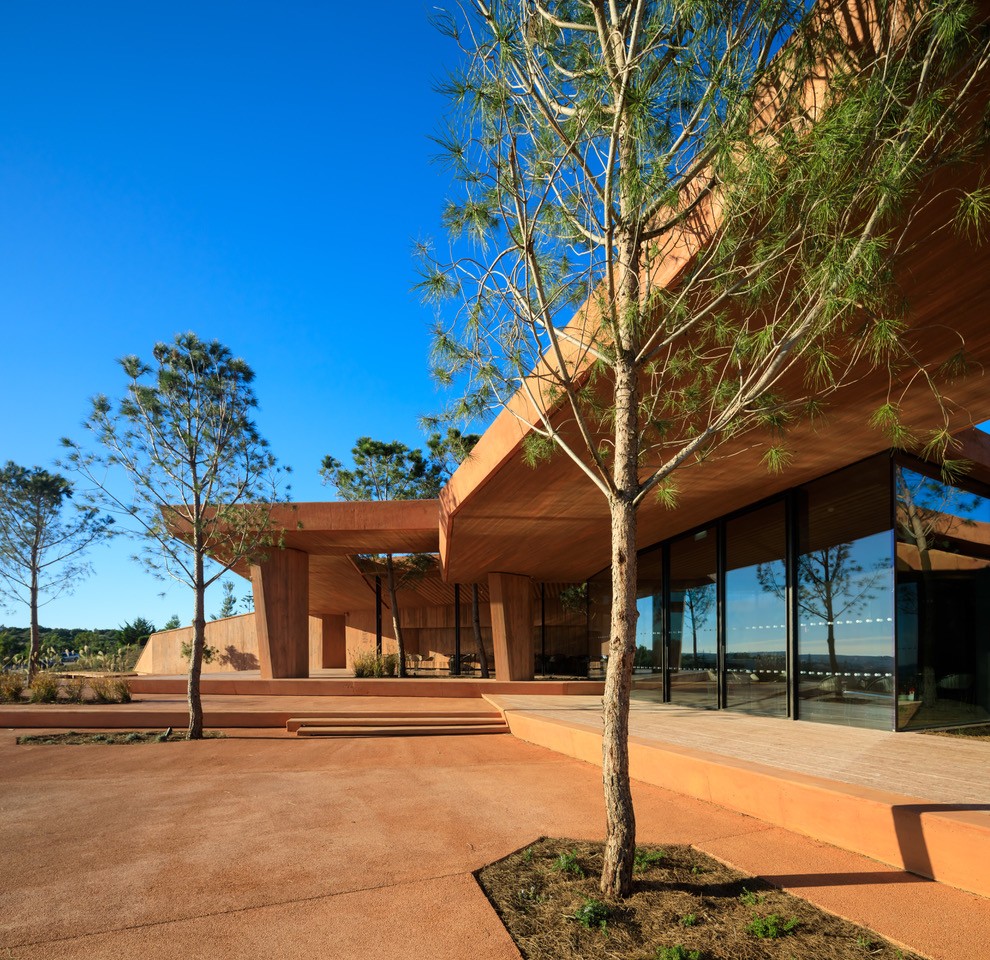
Smith breaks down how many golf clubs could improve into five key areas:
1. Arrival anxiety: “Humans hate feeling lost, confused or exposed, so poor signage or unclear direction can trigger ancient survival instincts, where people feel vulnerable,” says Smith.
“The arrival experienceis critical. Some visitors, especially women, may even leave before entering if they feel unsafe.”
2. Dark entrances = Danger: “Many clubs have dark, enclosed entrances you can’t see through.” he says “These subconsciously trigger a fear response because humans evolved to avoid entering dark spaces such as caves – these environments historically meant danger.
“It’s why modern hotels and shops have open, glass entrances and bright lighting to counter this primal fear.”
- Threatening silence: “When a visitor steps inside a new space, their brain is running a sub-conscious safety check,” Smith explains. “If the environment is silent, staff members are unfriendly or there’s no clear focal point, the unconscious instinct is to retreat.
“People are territorial animals and entering a new space can feel threatening. So, a warm greeting, friendly staff and a clear welcome point, like a reception desk, immediately does the opposite, signalling safety and belonging.”
- Interior design = cost of exclusion? “Humans subconsciously look for signals of belonging,” says Smith. When entering a space, if visitors don’t see themselves reflected in the environment, they feel like they don’t belong, and they will not stay, spend or return.
“Many clubs and clubhouses have been designed by men for men – and this is a critical commercial blunder that needs to change. This feeling of representation doesn’t just apply to potential women members but to families, younger people and diverse groups who might otherwise be your highest-spending demographics.”
- Friction-filled retail spaces: “Clubs – often unknowingly – create unnecessary friction that kills impulse sales,” declares Smith.
“For instance, requiring a customer to walk to another part of the clubhouse just to buy a chocolate bar for their round. This adds effort, making the purchase less likely.
“We are lazy creatures. This is not an insult; it’s a core rule of commerce. If something is easy, we are much more likely to do it.
“To capture high-margin revenue, you must reduce the effort required to buy. Put impulse items where people are already congregating. Have QR codes on tables so customers can order directly, without having to stand up or find a member of staff.”
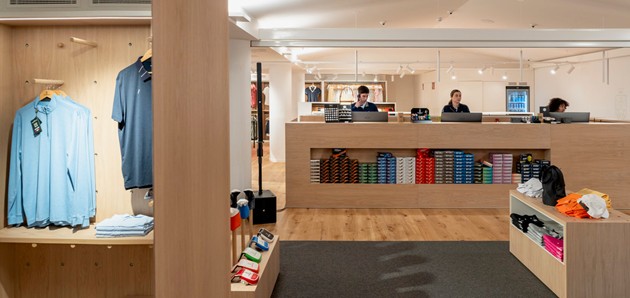
Ian Knox, Head of European Tour Destinations, says many of the world’s leading golf destinations are paying attention to the psychological factors at play – and are succeeding as a result.
“The top golf venues – and certainly the ones in the European Tour Destinations network – are no longer just designing golf clubs; they are implementing designs for emotional experiences. The commercial results of this are incredibly positive.
“At Costa Navarino, for example, the retail and clubhouse experience has become a major part of the overall guest journey. The strategic pro-shop revamp wasn’t simply about selling more products; it was engineered to create an environment where people actively choose to spend time. The result has been a significant increase in retail revenues and guest engagement.
“A similar success story is unfolding at Camiral, the 2031 Ryder Cup host venue. Careful attention has been paid to the flow between golf, hospitality and retail.”
Knox continued: “From an architectural perspective, several network venues are establishing new global standards.
“Palmares Ocean Living & Golf in the Algarve won the Clubhouse of the Year Award at the 2025 World Golf Awards. Its stunning design is a direct application of the science.
“And at La Hacienda Links Golf Resort, on the Costa del Sol, is famous for its award-winning halfway house, which features a bright, open entrance and stunning views.”
So how can clubs and resorts appeal to their customers’ emotional responses?
“If a place feels safe, easy and welcoming, people are much more likely to stay, spend and return,”concludes Smith.
“To capitalise on this science, focus on these three low-cost, high-impact improvements:
- “Open and inviting entrances – use bright lighting, open or glass doors and clear visibility inside to immediately counteract the primal fear response.
- “Friendly human welcome – find staff who genuinely enjoy interacting with guests. Set up a clear reception point and work on creating an immediate sense of belonging.
- “Make spending easy -bring products to the customer, use QR codes on tables for ordering and focus on locating impulse, high-margin items conveniently.”
European Tour Destinations is a network of world-class golf venues. To find out more, visit www.europeantourdestinations.com