

As golf clubs continue to balance exceptional customer experiences with sustainability targets and operational efficiency, electric vehicles are becoming an increasingly important part of modern operations.
While traditional golf buggies remain essential for player transport, many venues are now looking beyond the fairways and seeking fleet solutions that can support wider estate management, hospitality services and visitor mobility.
This is where Pilotcar’s electric vehicle range offers a distinct advantage. Established in 2011, Pilotcar has developed a comprehensive portfolio of 100% electric passenger, utility and specialist vehicles designed for leisure, hospitality and commercial environments.
In the UK, the range is supplied and supported exclusively by Hopkins Vehicle Solutions, providing golf clubs with local expertise, technical support and aftersales service.
At the centre of the range are the PC-2, PC-4 and PC-6 passenger vehicles, which provide quiet, comfortable and zero-emission transportation for golfers, members and guests. Whether transporting players around the course or supporting hospitality operations, these vehicles help clubs maintain the calm atmosphere associated with the game while reducing running costs and environmental impact.
However, it is Pilotcar’s road-legal vehicle range that increasingly attracts attention from golf clubs and resorts looking to maximise fleet utilisation.
The PC-2 SL, PC-4 SL and PC-W SL extend the role of electric vehicles far beyond traditional on-course duties. Fully road-legal where local regulations permit, these models allow clubs to connect different areas of their estate efficiently and sustainably. For many modern golf destinations, facilities are no longer confined to a single clubhouse and golf course. Accommodation, practice facilities, maintenance depots, event spaces and leisure amenities are often spread across larger estates, creating a growing need for flexible and cost-effective transport solutions.
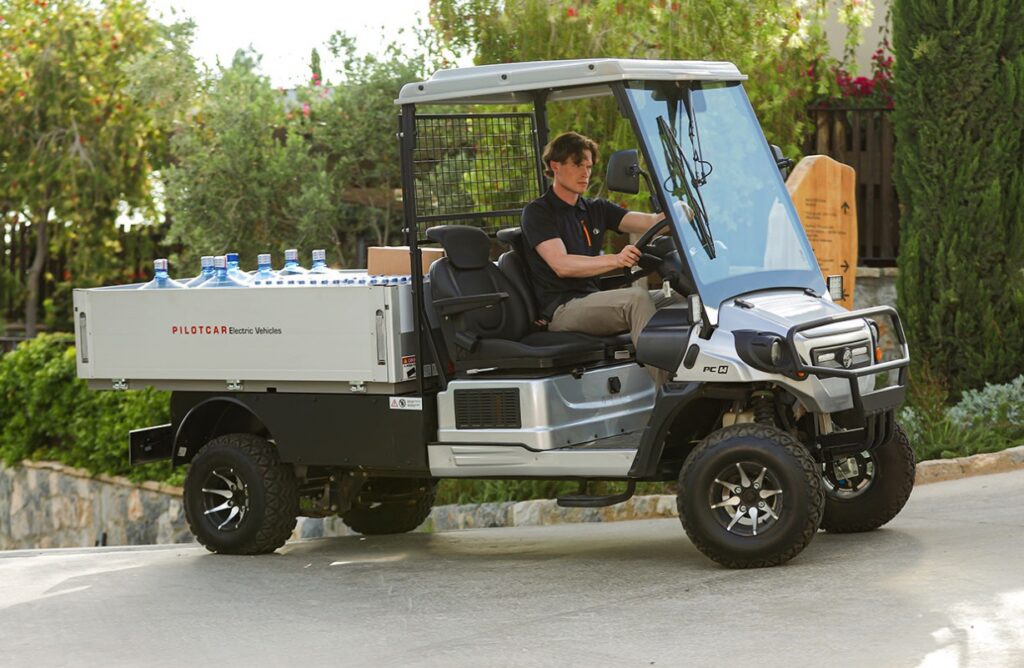
Road-legal electric vehicles provide a practical answer. Guests can be transported seamlessly between accommodation and the clubhouse, maintenance teams can move efficiently between sites, and hospitality staff can support events across multiple locations without relying on larger conventional vehicles. As resorts continue to expand their offering, the ability to operate both on and off the course with the same electric fleet delivers significant operational advantages.
For venues hosting tournaments and corporate events, these benefits become even more apparent. Road-legal electric vehicles can assist with the movement of officials, sponsors, VIP guests, media personnel and support staff between facilities, helping organisers maintain smooth event operations while reinforcing sustainability commitments.
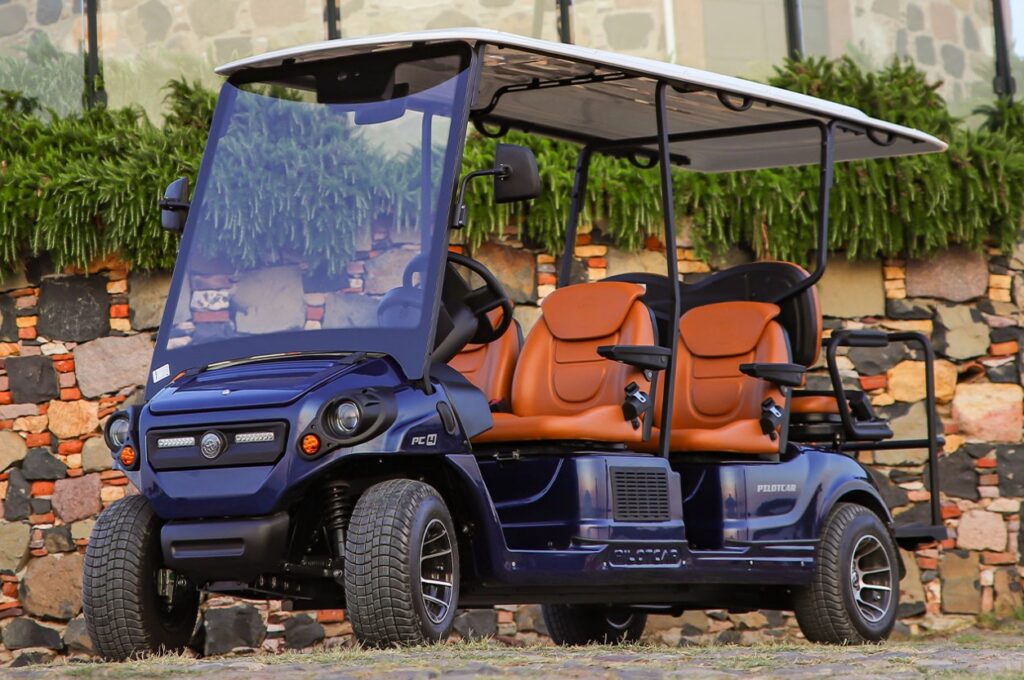
Alongside its road-legal offering, Pilotcar also provides specialist vehicles to support wider golf club operations. The PC-W utility vehicle assists greenkeeping and estate management teams with the transport of tools, materials and equipment, while the PC-H supports accessibility requirements by helping members and visitors with mobility challenges enjoy all areas of the venue. The PC-A provides a dedicated platform for first aid, security and operational response duties.
For UK golf clubs, the combination of Pilotcar’s extensive electric vehicle portfolio and Hopkins Vehicle Solutions’ industry expertise creates a comprehensive mobility solution from a single supplier. Whether the requirement is golfer transport, estate management, accessibility, event support or road-legal connectivity, the range is designed to meet the evolving needs of modern golf venues.
As sustainability, efficiency and guest experience continue to shape investment decisions across the sector, electric mobility is becoming an increasingly strategic consideration. With its unique combination of passenger, utility and road-legal vehicles, Pilotcar offers golf clubs and resorts a practical way to connect every aspect of their operations while reducing emissions, controlling costs and enhancing the overall visitor experience.