

The UK golf club market continues to demonstrate resilience in 2026, supported by strong participation levels, healthy membership growth, and confidence in the long-term prospects of the sector.
As golf’s appeal continues to broaden across different age groups and demographics, trading performance remains robust, underpinning sustained transactional activity across both standalone golf clubs and destination golf resorts.
At Christie & Co, we continue to see strong demand from a diverse range of purchasers, including owner operators, private investors, leisure groups, and international buyers seeking exposure to a sector that offers both operational stability and long-term growth potential.
There are several key factors attracting buyers to this sector:
DIVERSIFICATION AND GROWTH OPPORTUNITIES
One of the strongest themes influencing acquisition activity is diversification. While membership subscriptions and green fee income remain the backbone of many successful golf businesses, buyers are increasingly attracted to venues that generate revenue from multiple sources.
Hospitality operations, weddings and events, accommodation, driving ranges, golf simulators, health and wellness facilities, and alternative leisure offerings can all help to strengthen trading performance and reduce reliance on seasonal golf income. Assets capable of generating year-round revenue are often viewed particularly favourably by investors.
Many of today’s purchasers are seeking businesses where there also is scope to enhance existing performance through operational improvements and investment.
Opportunities commonly identified include:
- Growing membership numbers and retention levels
- Developing hospitality and food and beverage income
- Upgrading practice facilities and driving ranges
- Introducing technology-led golf experiences
- Expanding accommodation offerings
Assets with clear opportunities for earnings growth and value creation continue to generate significant buyer interest.
STRONG DEMOGRAPHIC FUNDAMENTALS
Location remains an important factor in buyer decision-making, and clubs situated within affluent residential areas, established golfing markets, and areas with strong commuter populations generally attract the highest levels of interest.
These locations often provide a solid platform for membership growth while also supporting visitor play, corporate golf demand, and food and beverage revenues. Buyers continue to focus on assets where local demographics can support long-term sustainability and future expansion.
CONTINUED APPETITE FOR GOLF RESORTS
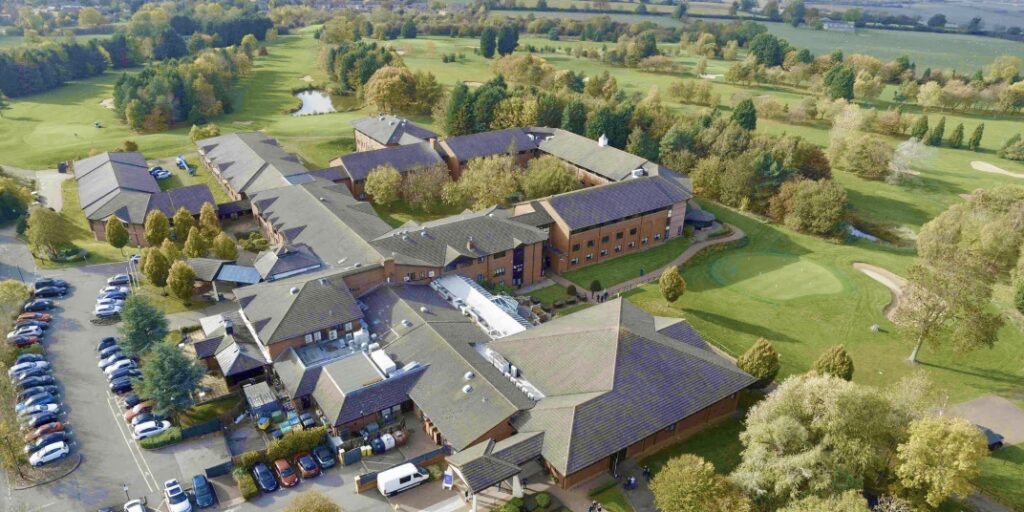
Demand remains particularly strong for golf resorts and destination venues that combine golf with hospitality, accommodation, and wider leisure experiences.
These assets appeal to both domestic and overseas investors seeking exposure to the broader leisure and tourism sectors. The ability to attract visiting golfers, corporate business, short breaks, weddings, and events creates a compelling investment proposition that extends beyond traditional golf operations.
KEY PRIORITIES FOR BUYERS IN 2026
Across the market, we are seeing purchasers consistently prioritising:
- Proven and sustainable trading performance
- Diversified income streams beyond core golf activities
- High-quality clubhouse and hospitality facilities
- Driving ranges and technology-enhanced practice amenities
- Opportunities to improve profitability and operational efficiencies
- Strong local demographic and economic fundamentals
- Investment in sustainability initiatives, irrigation systems, and course resilience
MARKET OUTLOOK
The outlook for the golf sector remains positive, with demand continuing to outstrip the supply of high-quality opportunities brought to market.
As clubs increasingly evolve from traditional sporting venues into broader leisure destinations, buyers are placing greater emphasis on operational diversity, customer experience, and long-term growth potential. Golf businesses that can demonstrate strong trading performance, multiple revenue streams, and clear opportunities for future development are likely to remain among the most sought-after assets in the market.
At Christie & Co, we expect investor appetite for quality golf clubs and resorts to remain strong throughout the rest of 2026, particularly where owners have successfully adapted their business model to meet changing consumer expectations and maximise year-round income opportunities.
To find out more about the UK golf club market contact James Matson at james.matson@christie.com, call +44 7840 020 041 or visit www.christie.com.